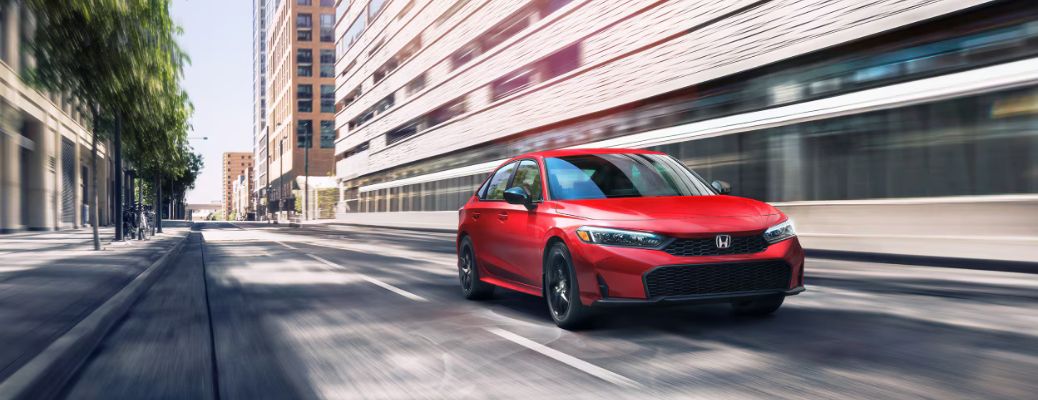
Compare the 2026 Honda Civic Sedan and Hatchback
Choosing between the 2026 Honda Civic Sedan vs. Hatchback comes down to a more nuanced decision than most compact car comparisons — both body styles share the same platform, powertrain options, and technology suite, yet they serve meaningfully different daily use cases that become apparent the moment you start loading cargo or evaluating rear visibility. Honda engineered both versions to the same standard of interior refinement, safety technology, and driving dynamics, which means the choice isn’t about quality — it’s about which shape fits what you actually do with a car five days a week. A turbocharged powertrain, standard Honda Sensing, and a well-organized cabin anchor both models in a competitive position against similarly priced alternatives from other manufacturers. Battison Honda in Oklahoma City carries both Civic body styles and can help you compare them side by side before making your decision.
Shared Highlights of the 2026 Honda Civic Lineup
Both the Sedan and Hatchback run on the brand’s 1.5-liter turbocharged four-cylinder engine producing 192 horsepower — or 182 horsepower, depending on transmission selection — paired with either a 6-speed manual or a CVT automatic, depending on trim level. Honda Sensing comes standard across every Civic configuration, covering Collision Mitigation Braking, Adaptive Cruise Control with Low-Speed Follow, Lane Keeping Assist, and Road Departure Mitigation without requiring an upgrade to a higher trim. Wireless Apple CarPlay and Android Auto, a standard digital instrument cluster, and available 9-inch touchscreen ensure the technology experience remains consistent regardless of which body style you select.
2026 Honda Civic Color Options: Full List and Buying Guide
Exterior Design Differences
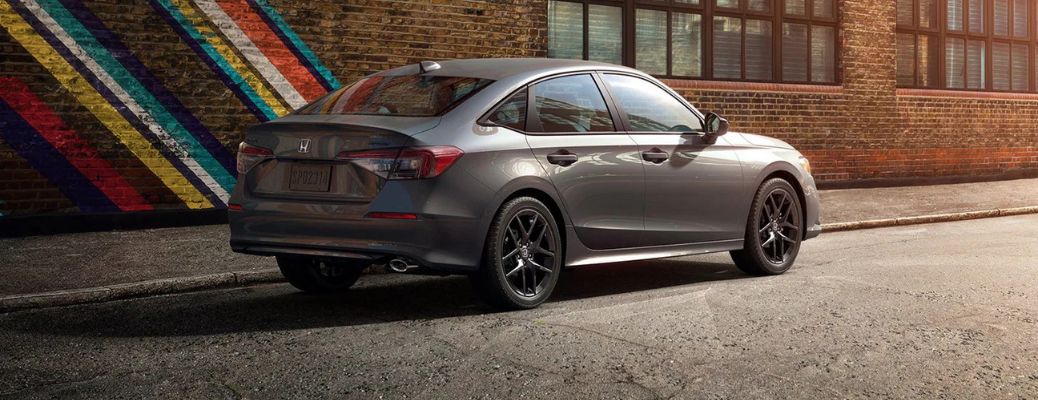
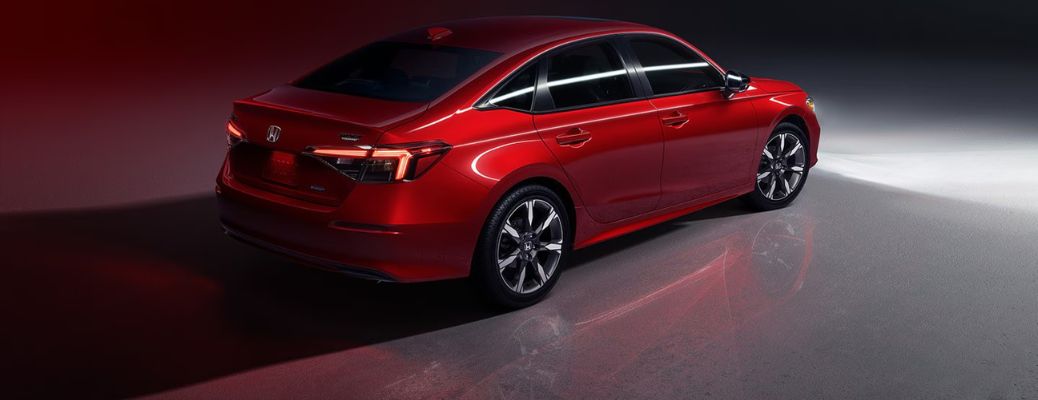
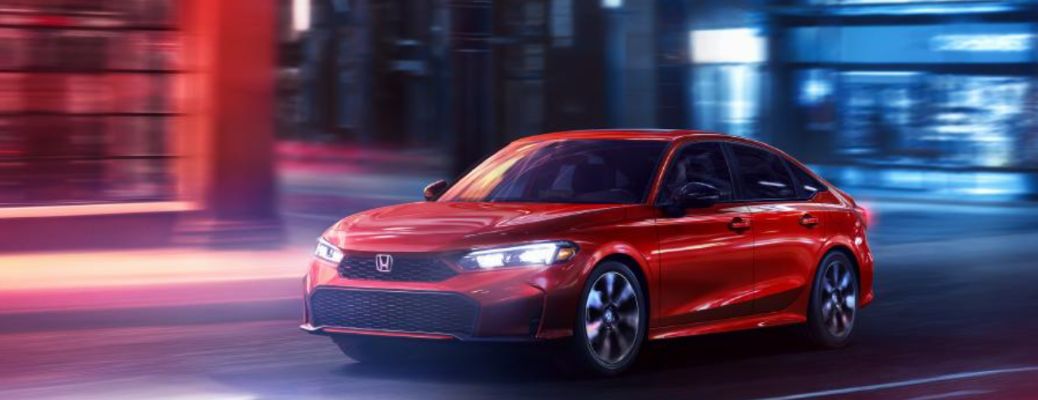
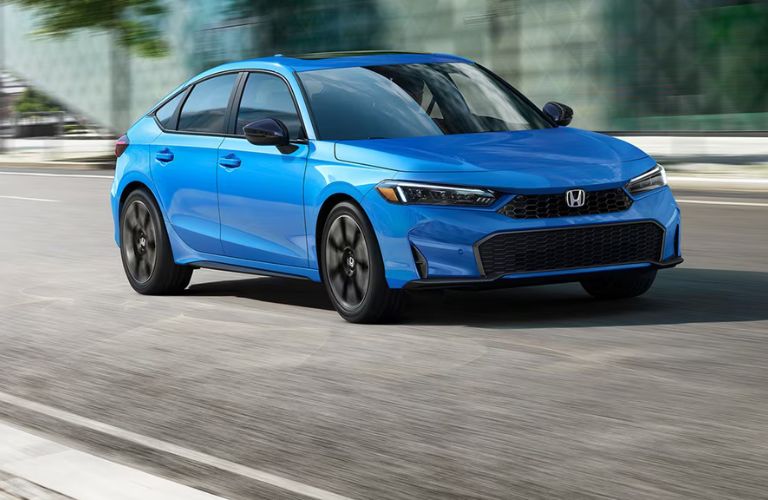
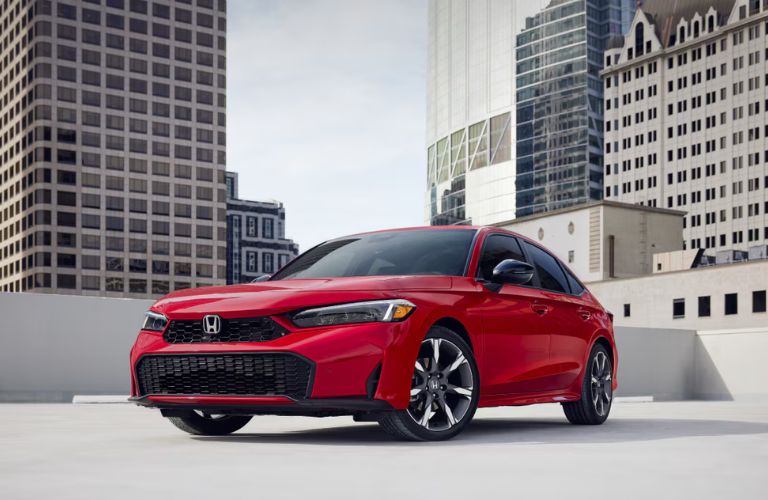
Visually, the Sedan and Hatchback communicate different personalities despite sharing the same front end. The Sedan’s fastback-influenced roofline flows into a traditional trunk lid, giving it a longer, more formal silhouette that reads as clean and professional from most angles. By contrast, the Hatchback’s roof drops more steeply into a liftgate that adds visual sportiness while contributing meaningfully to cargo accessibility — a shape that suits buyers who want their compact car to look as useful as it is.
Interior Space and Cargo Comparison
Passenger space is virtually identical between both body styles — front and rear occupants experience comparable legroom, headroom, and shoulder room regardless of which roof profile they’re sitting under. Where the two diverge is in cargo utility: the Sedan offers a 14.8-cubic-foot trunk that loads through a conventional opening, while the Hatchback provides 25.7 cubic feet of cargo space behind the rear seats, expanding to 46.2 cubic feet when those seats fold flat. That difference is substantial enough to influence a buying decision for anyone who regularly carries sports equipment, makes bulkier purchases, or needs the flexibility of a flat-load floor.
Performance and Driving Experience
Both body styles deliver the same turbocharged performance and suspension tuning, so the driving character remains consistent between them — responsive steering, a composed ride quality that handles Oklahoma City’s road surfaces without feeling stiff, and enough powertrain output to make highway merging confident rather than cautious. Sport trims on the Hatchback offer a 6-speed manual transmission that’s unavailable on the Sedan outside the Si variant, which makes the Hatchback the more accessible choice for drivers who specifically want a manual gearbox without stepping into the Si’s sport-focused specification. Fuel economy across both body styles is comparable, with the CVT-equipped models earning strong highway ratings that suit longer interstate drives between Oklahoma City and surrounding destinations.
Technology Features Available on Both Models
Higher Civic trims on both body styles gain a 9-inch touchscreen with the brand’s latest infotainment interface, wireless device charging, a Bose premium audio system, and heated front seats — features distributed across comparable trim levels rather than reserved for one body style over the other. USB-C charging ports appear throughout both cabins, and the digital instrument cluster on Sport and above trims provides a customizable display that improves legibility over the analog gauges found on entry trims. Over-the-air capable features and a well-integrated voice recognition system add a technology layer that holds up to daily use without feeling dated within the first ownership year.
Is the 2025 Honda Civic Sedan Safe? Honda Sensing® Features You Need to Know
Which Honda Civic Fits Different Lifestyles?
Commuters who prioritize a traditional sedan aesthetic, strong trunk security, and a slightly quieter highway experience at speed will likely prefer the Sedan’s conventional layout and fastback profile. Active buyers — students, outdoor enthusiasts, young families, or anyone who regularly loads items that don’t fit through a traditional trunk opening — will find the Hatchback’s liftgate and expanded cargo volume more useful in practice. If a manual transmission matters to you and the Si’s performance focus isn’t what you’re after, the Hatchback Sport manual opens that option in a way the Sedan currently doesn’t offer at the same trim tier.
Explore the 2026 Honda Civic Lineup at Battison Honda
Whether the 2026 Honda Civic Sedan vs. Hatchback decision comes down to cargo flexibility, visual preference, or transmission availability, Battison Honda has the inventory and the team to help you work through it. Visit us to compare available trims, explore financing options that fit your budget, and schedule test drives on both body styles — the right Civic for your lifestyle is waiting.