
Top Signs Your Honda Vehicle Needs a Coolant Service
Honda vehicles are known for lasting performance and smart engineering. However, even the most dependable model needs routine care to stay in peak condition. One service that often gets overlooked is coolant maintenance. Without proper coolant levels and quality, your engine can overheat quickly. Our team at Battison Honda is ready to help drivers stay ahead of costly repairs. Keep reading to learn the top signs your Honda vehicle needs a coolant service, or contact us to schedule a service in Oklahoma City, OK.
How to Maintain the Interior of Your Honda
6 Signs Your Honda Vehicle Needs a Coolant Service
1. Overheating Engine
Pay attention to your temperature gauge. If it rises higher than normal, your cooling system may struggle to regulate engine heat. An overheating engine is one of the most obvious warning signals. Moreover, steam coming from under the hood is a serious red flag. Coolant absorbs heat from the engine and prevents damage. When coolant becomes low or contaminated, it cannot do its job effectively. As a result, engine components experience excessive stress.
2. Low Coolant Levels
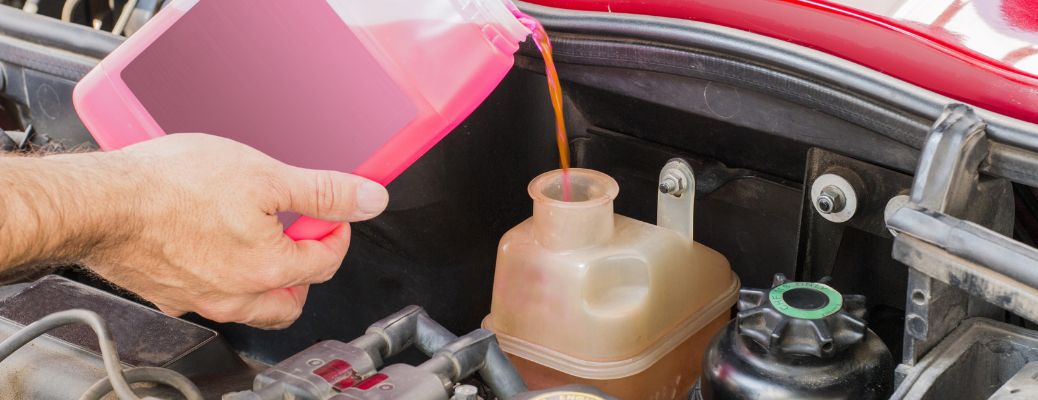
Check the coolant reservoir under the hood. Most Honda models include clear markings that show proper fluid levels. If the level drops below the minimum line, your vehicle may have a leak. Additionally, frequent top-offs often indicate a hidden issue. Coolant naturally degrades over time, but rapid loss signals a problem. Therefore, consistent monitoring protects your engine from overheating risks.
3. Sweet Smell or Visible Coolant Leaks
Another clear warning sign is a sweet, syrup-like smell. Coolant contains ethylene glycol, which produces that noticeable scent. Whether you smell it inside or outside your vehicle, inspect it immediately. Furthermore, look for bright green, orange, or pink puddles under your car. These colors commonly indicate coolant leakage. Leaks often occur near hoses, radiators, or water pumps. Because coolant leaks reduce system pressure, performance can suffer quickly.
How to Maintain a Honda CVT Transmission
4. Rusty or Discolored Coolant
A healthy coolant appears bright and clean. Over time, however, contamination may occur. If the fluid looks rusty or cloudy, corrosion may be forming inside the cooling system. Consequently, buildups can restrict coolant flow and reduce efficiency. Flushing the system restores proper circulation and heat transfer. In addition, fresh coolant protects against corrosion and freezing temperatures.
5. Heater Not Working Properly
Your cabin heater relies on the hot coolant from the engine. If warm air stops blowing through your vents, coolant circulation may be restricted. Likewise, inconsistent cabin temperatures may signal trapped air or low fluid levels. When coolant fails to move properly, both comfort and engine health suffer. Therefore, heater performance issues often connect directly to cooling system concerns.
6. Dashboard Warning Lights
Modern Honda vehicles include advanced monitoring systems. If your dashboard displays a temperature warning light, act quickly. These alerts exist to prevent engine damage. Additionally, a check engine light can sometimes relate to cooling system faults. Because sensors detect irregular temperature readings, they trigger alerts.
Top Signs Your Honda Needs Brake Service
Get Professional Coolant Service in Oklahoma City, OK
Recognizing the top signs your Honda vehicle needs a coolant service can save you money long term. Routine coolant flushes maintain stable engine temperatures and improve reliability. If you notice any of these warning signs, contact us at Battison Honda in Oklahoma City, OK, for professional inspection and maintenance.