Honda Brake Repair vs Replacement
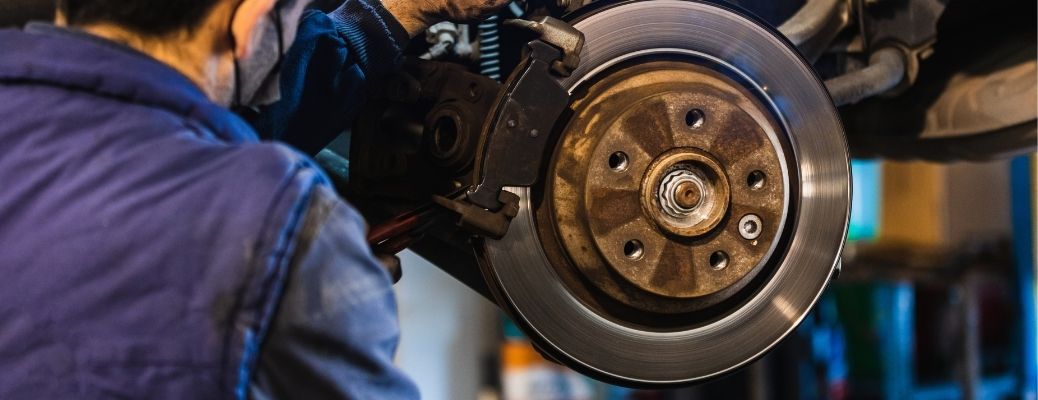
Brake issues rarely announce themselves with perfect timing — they tend to surface during a busy week, on a familiar route, when the last thing you want to deal with is an unplanned service appointment. Knowing how to tell whether your Honda brakes need a repair or full replacement can save you both money and unnecessary anxiety, since not every brake symptom signals an expensive fix. Sometimes a simple adjustment or pad replacement resolves the issue entirely; other times, waiting too long on a minor problem creates the larger repair you were hoping to avoid. Battison Honda in Oklahoma City, OK, has a certified service team experienced with Honda brake systems across all models and can help you determine the right course of action quickly.
Why Routine Brake Inspections Matter
Brake components wear gradually rather than failing all at once, which means problems often develop over a range of stages before becoming immediately obvious to the driver. Catching wear early — typically during oil changes or tire rotations — allows technicians to address minor issues before they affect rotors, calipers, or brake lines that are considerably more expensive to service. Skipping routine inspections doesn’t save money; it defers costs while increasing the likelihood that a straightforward pad replacement will evolve into a full system overhaul.
The Benefits of Summer Tires for Driving in Oklahoma City, OK
When Brake Repair Is Usually Enough
Repair rather than full replacement typically applies when pad wear is the primary issue, and rotors remain within serviceable thickness specifications. If pads are replaced before they wear through to metal contact, rotors can often be resurfaced rather than replaced — restoring the braking surface at a fraction of new rotor cost. Brake fluid flushes, caliper pin lubrication, and hardware replacement fall into the repair category as well, addressing performance issues without requiring component replacement across the full system.
When Full Brake Replacement Is the Better Choice
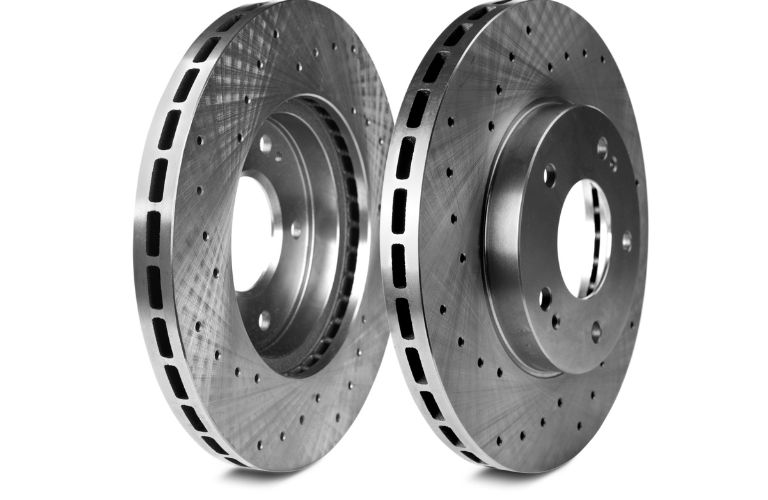
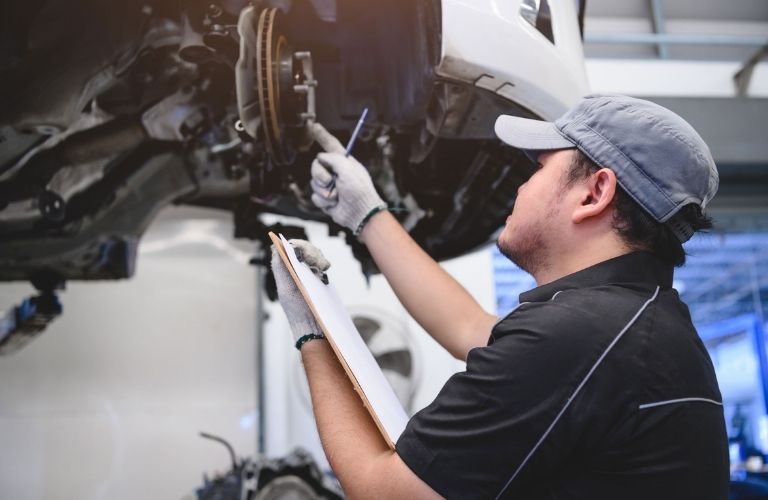
Full replacement becomes necessary when rotors have worn below minimum thickness, developed deep scoring from metal contact, or warped due to heat exposure from prolonged use with worn pads. Calipers that are seizing, leaking, or applying uneven pressure typically require replacement rather than repair, since rebuilding often costs comparably while carrying greater uncertainty about long-term reliability. If multiple components across the brake system show significant wear simultaneously, replacing the full assembly at once often makes more financial sense than addressing each component individually over several service visits.
Brake Pad Repair vs. Rotor Replacement: What’s the Difference?
Brake pads are the friction material that clamps against the rotor surface to create stopping force, and they wear predictably over 30,000 to 70,000 miles depending on driving habits, vehicle weight, and road conditions. Rotors are the metal discs that pads press against, and they wear more slowly — but once they develop grooves, warping, or fall below minimum thickness specifications, they can’t safely be resurfaced and require replacement. Replacing pads without addressing damaged rotors typically results in faster pad wear, reduced braking performance, and a return to the service center sooner than the pad replacement alone would suggest.
Warning Signs That Indicate Your Honda Vehicle Needs a Coolant Flush Service
Tips to Extend the Life of Your Honda Brakes
Smooth, anticipatory braking — slowing gradually rather than applying heavy pressure late — reduces heat buildup and extends pad and rotor life meaningfully over thousands of miles of accumulated driving. Avoiding unnecessary weight in the vehicle reduces the stopping force required on every braking event, which translates directly to reduced component wear over time. Following Honda’s recommended service intervals for brake inspections ensures that wear is caught early rather than discovered after it has already escalated into a more involved repair.
Why Choose Battison Honda for Brake Service in Oklahoma City, OK?
Knowing whether your Honda brakes need a repair or full replacement starts with an honest inspection from technicians who understand what they’re looking at. Schedule a brake service appointment at Battison Honda in Oklahoma City, OK, get a clear assessment of your brake system’s condition, and make a well-informed decision about next steps — our service team is ready to help you keep your Honda stopping safely.